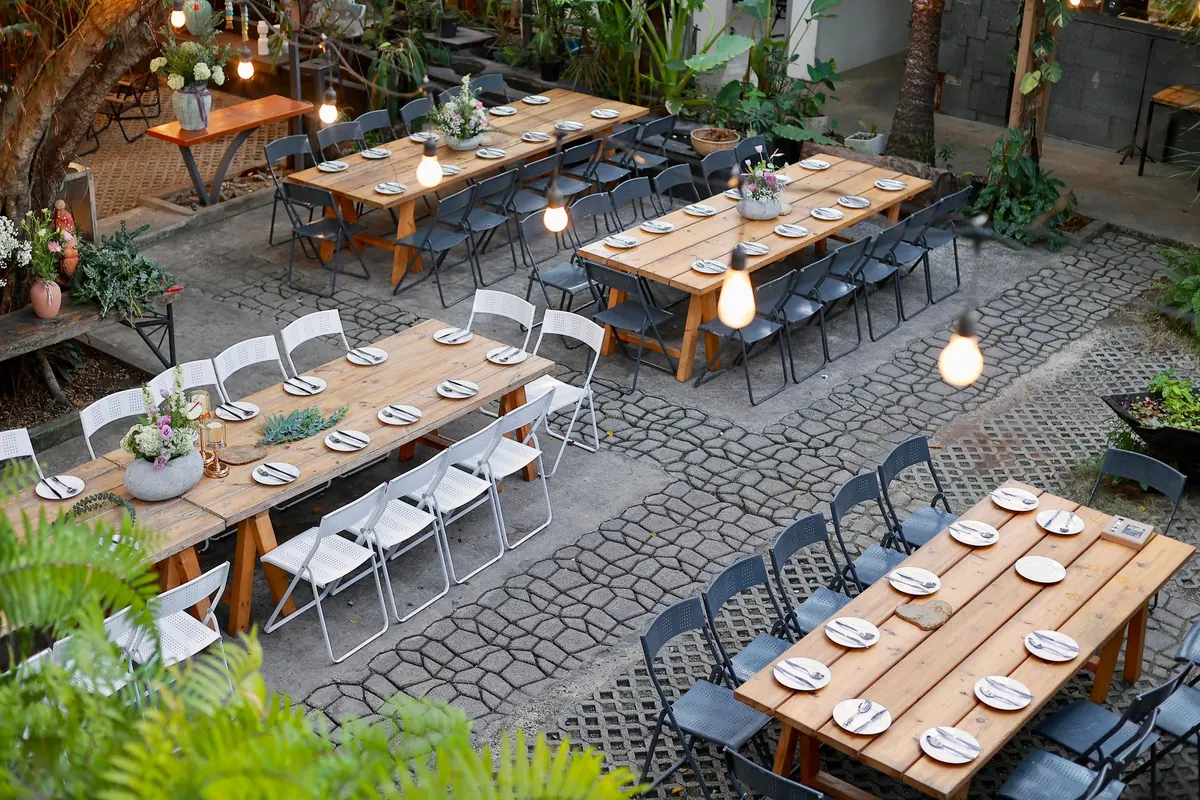
Every first event starts with a good reason: a block party, a small makers' market, a fundraiser for the library. Then the details arrive. The porta-potty question. The permit nobody mentioned. The neighbor who calls about parking. Most first-time organizers do not fail because the idea was weak. They stumble on the same handful of logistics that everyone stumbles on. Here is what tends to go wrong in the borough, and how to stay ahead of it.
Waiting too long to sort out permits
The most common assumption is that permission comes free with enthusiasm. It does not. A park is not a public living room, a sidewalk is not a stage, and a parking lot is not yours because the store is closed that day.
Different pieces of your event belong to different offices, and one approval rarely covers the rest. Before you print a single flyer, find out which of these apply:
- Use of a borough park, green, or plaza, especially if you want to set up structures
- A street or sidewalk closure, or any plan that changes traffic flow
- Amplified sound, including a small PA or a DJ
- Food preparation or sales, which usually means a health department conversation
- Tents, stages, generators, or anything with a flame or fuel
- Selling goods, which may require a vendor or solicitor license
- Alcohol, which is its own category entirely
Call borough hall early and ask a plain question: which department owns each part of this? Write down names, get confirmations in writing where you can, and ask what the application deadlines are. Some approvals take weeks, and anything requiring a public meeting takes longer. A good rule of thumb: if your event is six weeks away and you have not started the paperwork, you are already late.
If your plans involve alcohol, contracts, or anything with legal exposure, talk to an attorney who knows local rules rather than relying on a neighbor's recollection.
Treating insurance as an afterthought
Insurance is the line item nobody wants to think about, and it is the one that can end an event. General liability coverage protects you if someone trips over a cable or a tent blows into a parked car. Many venues, parks, and landlords will ask for a certificate showing that coverage, sometimes naming the borough or property owner as an additional insured.
Two traps catch first-timers. The first is assuming the venue's policy covers you. It usually covers the venue, not your event. The second is assuming your vendors are covered. Ask each food truck, craft seller, and entertainer for proof of their own insurance before the day, not on it. Keep copies in one folder.
Coverage, cost, and what a policy actually excludes are questions for a licensed insurance professional. Ask before you sign a contract or announce a date, because the answer can shape the event itself.
Promoting late, and to only one audience
Announcing three days out and hoping the neighborhood checks social media is the second-most common mistake. Give yourself four to six weeks for a small event and longer for anything that needs people to plan a Saturday around it.
Spread the word where people already look, not only where you are comfortable:
- The borough newsletter, website, and community calendar
- The library bulletin board and the coffee shop window
- Local press community listings, which often need submissions well in advance
- Schools, congregations, and the business association
- Neighborhood groups and block captains, who reach people no algorithm does
- Printed flyers in the places people actually walk
Whatever the channel, the listing needs the boring details: date, start and end time, exact location with cross streets, cost, whether kids and dogs are welcome, where to park, the rain plan, and how someone with limited mobility gets in. Vague event posts generate vague turnout.
Discovering accessibility problems on the day
Accessibility is not a checkbox you add at the end. It is a set of decisions about where people enter, where they sit, and whether they can hear.
Walk the site as if you were arriving for the first time with a walker, a stroller, or a service animal. Is there a step-free route from accessible parking to the main area? Is the ground gravel, grass, or uneven brick? Are the accessible restrooms actually open? Is there seating for people who cannot stand for two hours, and shade for those who need it?
Think about communication too. A microphone and a speaker help more people than you expect. Printed materials in larger text cost very little. If you are planning anything loud, a quieter corner where people can step away is worth the space.
Then ask someone who lives with a disability to review the plan with you before the event. Their fifteen minutes will find things no checklist will. Depending on your event and funding, accessibility obligations may apply under federal, state, and local rules, so check with the borough or a qualified advisor if you are unsure.
Building a budget around everything going right
First-time budgets tend to cover the fun parts and forget the unglamorous ones: waste removal, extra trash bags, signage, extension cords, batteries, tape, water for volunteers, and a few dozen small costs that add up fast. Add a contingency of roughly ten percent. You will spend it.
Decide early who pays for what, especially if you are working with a sponsor, a school, or a civic group. Keep receipts and a simple running spreadsheet from day one. If you are handling money on behalf of a nonprofit or public body, ask about their record-keeping and reporting requirements before you collect a single dollar.
Assuming volunteers will just show up
Volunteers are not a plan; they are people with Saturday plans of their own. Confirm names, not headcounts. Build a simple schedule with shifts, and make sure someone is reachable at every hour the event runs.
Give each person one clear job, a check-in point, water, and a break. Have one person who knows the whole schedule and can answer questions. If a shift falls through, you need a runner who can cover the table rather than a group chat debating it.
The two-week-out walkthrough
Most of the pain of a first event can be avoided in one afternoon, two weeks before. Sit down and work through this:
- Confirm every permit and approval in writing, and note any conditions attached to them.
- Verify insurance certificates from the venue and every vendor.
- Walk the site at the same hour your event will run, and check sun, noise, and foot traffic.
- Call your key volunteers and confirm shifts out loud.
- Check the weather plan, including who decides to cancel and how you announce it.
- Post a final, detailed listing everywhere you have already promoted.
- Print the day-of contact sheet, and keep a copy that does not depend on a phone battery.
Then write down three things that went wrong while they are fresh, and hand them to whoever organizes next year's version. That single habit is what turns a first event into an annual one.