The first real snow of the season rarely arrives politely. It comes overnight, buries the car, and turns the morning commute into a slow parade behind a plow. The tickets, the icy walk to the corner, the neighbor asking why the sidewalk is still buried — most of that friction comes from a short list of local rules that are easy to forget between storms. Sort them out now, while the forecast is still boring.
Find Out Which Streets Are Snow Emergency Routes
Almost every borough designates certain roads as snow emergency routes: the hills, the bus corridors, the streets that feed the hospital or the highway. When a snow emergency is declared, parking rules on those streets change quickly — sometimes to a full ban, sometimes to one side of the street at a time so plows can make passes.
You probably drive past the signs every day without reading them. Do it this week. Walk the block, look for the red-and-white markers, and photograph the one closest to where you park. If your street doesn't have any, check the two or three streets you'd naturally fall back on when your usual spot disappears under a drift.
Then figure out how you'll hear about a declaration. Most boroughs push the news through their website, a text or email alert system, social media, and local radio. Sign up now, while it takes ninety seconds instead of happening while you're asleep.
- Which streets near your home are designated routes, and where does the parking restriction begin and end?
- Does your borough use an odd/even or alternate-side system during a storm?
- Where will you move the car — a driveway, a lot, a friend's block — if the ban runs overnight?
- Who else in the house needs to know the plan, and who needs a phone reminder?
Parking Bans: What Actually Happens to a Parked Car
Plows cannot work around vehicles, and drivers cannot see much from up in the cab. A car left on an emergency route during a declared ban can be ticketed or towed. Even when it isn't, it gets sealed in behind a ridge of snow that takes an hour to dig out. Moving the car before the ban starts is always easier than moving it after the plow has gone by.
If you don't have a driveway
Line up a backup spot before the season, not during the storm. A neighbor with a wide driveway, a relative a few blocks away, or a municipal lot the borough opens during emergencies — but only if it has actually been announced. Never assume a private lot is fair game. That is how cars end up towed from a church parking lot at 2 a.m.
Two smaller rules are worth remembering. Don't shovel or blow snow into the street; it's prohibited in most boroughs and simply puts the problem back in the plow's path. And don't leave a car sitting in one spot for days after the storm if your borough has rules about vehicles that look abandoned.
Sidewalk Shoveling: The Rule and the Technique
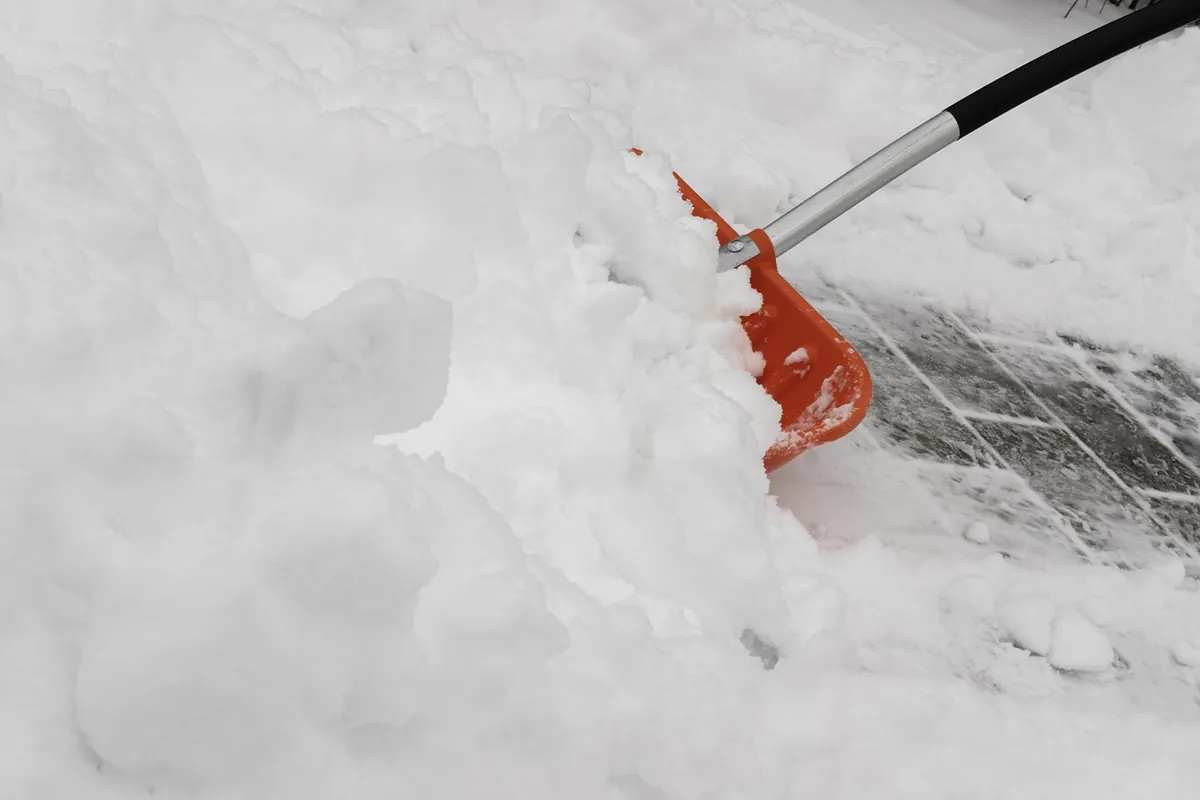
In most boroughs, the property owner or occupant is responsible for the sidewalk along their frontage. The clock usually starts when the snow stops, and the window is short — commonly twelve to twenty-four hours, though your borough code sets the exact number. Ice counts too. If the walk melts and refreezes into a sheet, you're still responsible.
Clear the full width, not a narrow trench down the middle. Pay attention to the parts people forget: curb cuts and corner ramps, crosswalk approaches, bus stops, and the space around a fire hydrant. Anyone using a wheelchair, a walker, or a stroller notices those gaps immediately, and so does a fire crew that needs the hydrant.
Shoveling without wrecking your back
- Start early. Fresh snow is light; packed snow and ice are not.
- Push the snow instead of lifting it, and take smaller loads than you think you need.
- Use a light shovel with a bent handle, keep your knees soft, and switch sides often.
- Layer clothing, take breaks, and drink water. Cold air hides how hard you're working.
Shoveling is genuine exertion in cold weather. If you have a heart condition, high blood pressure, or you're simply not sure whether heavy lifting is safe for you, check with a doctor before the season starts, and line up help for the heavy storms. If you feel chest pain, shortness of breath, or dizziness while shoveling, stop and call for help.
Warming Centers: Where to Go When the Heat Fails
Long outages are the part of winter that catches people off guard. When power or heat goes out for more than a few hours, a borough library, senior center, community center, or municipal building often opens as a warming center during a declared emergency. Hours vary widely. Some sites run only during the day; others stay open overnight. Call before you go, and ask what they can and can't provide.
In many regions, dialing 211 reaches a service that can point you to open warming sites and shelters. Your borough office, the non-emergency police line, or your county emergency management page usually posts the same list. Save one of those numbers somewhere that doesn't depend on a charged phone.
What to bring
- Medications and a written list of them, plus any medical equipment you rely on
- A phone charger and a power bank
- Water, snacks, and a quiet activity for kids
- A blanket and layers you can shed indoors
- Identification, if you have it handy
Pets are often not allowed at warming centers unless a site is specifically designated pet-friendly, so ask when you call. And before you head out, knock on the door of the neighbor who lives alone, the household with a newborn, and anyone whose power tends to go out first. Call 911 for a life-threatening emergency, not the borough office.
Build a Small Kit Before You Need It
You don't need a bunker. One shelf and a car trunk cover most of it.
- Rock salt or ice melt, plus sand or kitty litter for traction
- A sturdy shovel, and a spare kept in the car
- Flashlight, batteries, and a battery or hand-crank radio
- Water, shelf-stable food, and a manual can opener
- Power bank, charging cables, and an ice scraper with a brush
- Blanket, gloves, and boots in the trunk
- Numbers written on paper: utility outage line, borough office, non-emergency police
Three Things to Do This Week
Sign up for the borough's emergency alerts and save the number you'd call about a downed wire. Buy salt and ice melt before the shelves empty, because you'll use them either way. Then find your nearest warming center, write it down next to the phone, and introduce yourself to the neighbor who might need a hand clearing a walk.
Winter in a borough is a group project. Plows handle the streets; the rest is sidewalks, parking spots, and looking out for each other. A little preparation now turns the next storm into an inconvenience instead of a crisis.
Photo: Bru-nO / Pixabay